
Herbs
Natural Herbs to Support Your Wellness Journey
Discover the Power of Nature’s Herbs for Balance and Vitality in Chesapeake & Virginia Beach, VA

At Sea Moss Haven Naturals, we believe in the powerful benefits of nature’s herbs to support your wellness journey. From the stress-relieving properties of ashwagandha to the nutrient-packed goodness of moringa, the anti-inflammatory strength of turmeric, and the detoxifying support of burdock root, our carefully sourced herbs provide a natural path to vitality, balance, and overall health. Whether you’re seeking to boost immunity, support digestion, enhance mental clarity, or promote energy, our herbal selections bring centuries of traditional wisdom to your daily routine.
Burdock root (from the plant Arctium lappa) has been used for centuries in traditional medicine and as a food.
Here Are the Main Potential Benefits:
1. Supports Detox & Liver Health
- Traditionally used to help “cleanse” the blood
- May support liver function and help the body eliminate toxins
- Acts as a mild natural diuretic (helps remove excess fluid)
2. May Improve Skin Conditions
- Sometimes used for acne, eczema, and psoriasis
- Its anti-inflammatory and antibacterial properties may help calm irritated skin
- Often taken as tea or used in topical preparations
3. Anti-Inflammatory & Antioxidant Effects
- Contains antioxidants like quercetin and phenolic acids
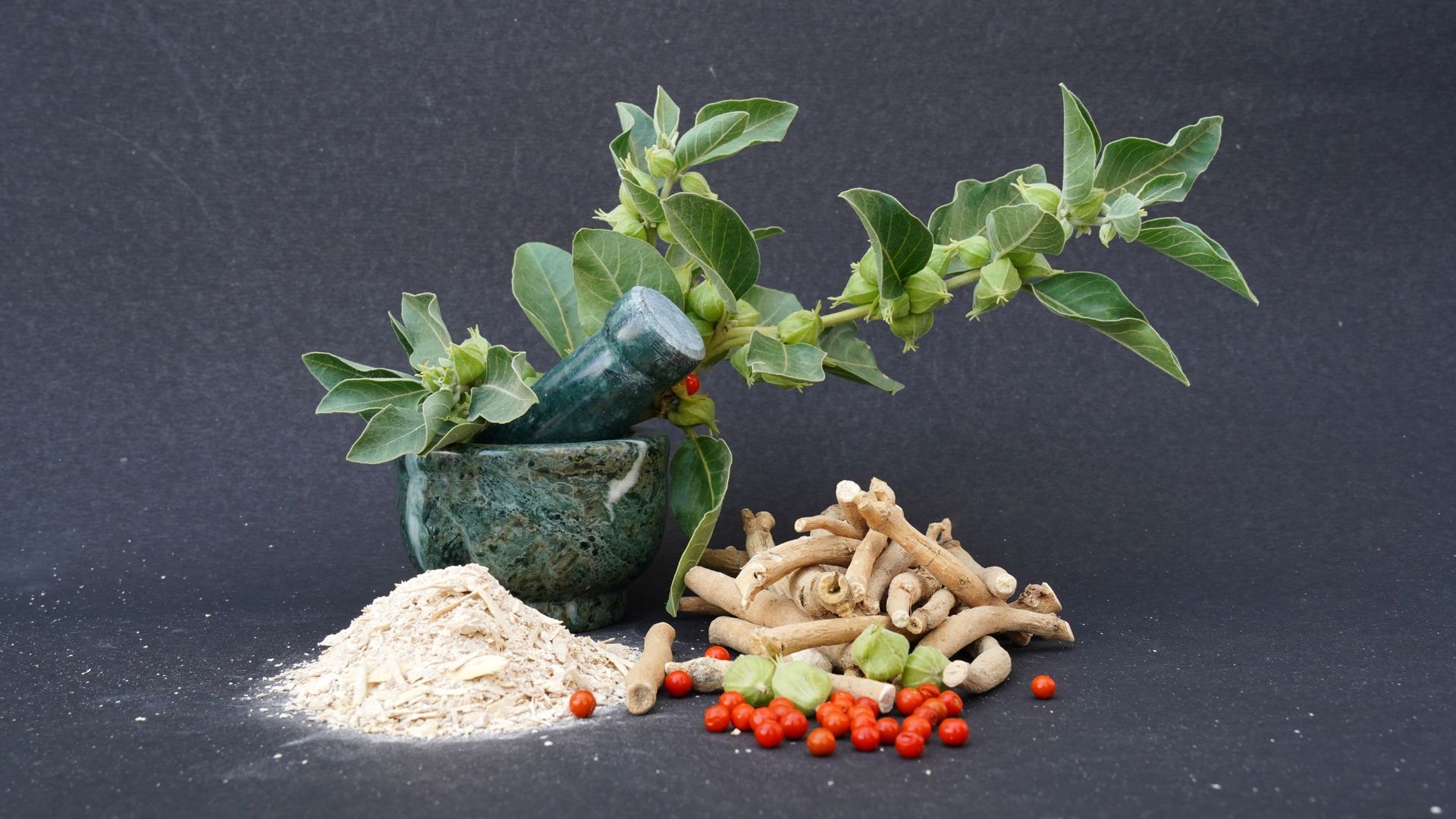
Ashwagandha
(Withania somnifera) is an adaptogenic herb widely used in traditional Ayurveda. It’s known for helping the body adapt to stress and support overall balance.
Here Are the Main Evidence-Based Benefits:
1. Reduces Stress & Anxiety
- Helps lower cortisol (stress hormone) levels
- May reduce symptoms of anxiety
- Often taken for chronic stress or burnout
- Many studies show measurable reductions in stress scores after 6–8 weeks of use.
2. Improves Sleep
- May help people fall asleep faster
- Can improve sleep quality
- Often helpful for stress-related insomnia
3. Supports Muscle Strength & Recovery
- May improve muscle mass and strength when combined with resistance training
- Can support recovery and endurance
4. May Support Brain Function
- May improve memory and focus
- Antioxidant properties may protect brain cells
- Being studied for cognitive decline support
5. Supports Hormonal Balance
- May help regulate cortisol
- In some men, may increase testosterone levels
- May support fertility by improving sperm quality
6. Blood Sugar & Inflammation Support
- May help lower blood sugar levels
- Has anti-inflammatory properties
How It’s Taken
- Capsules (most common)
- Powder (mixed into smoothies or warm milk)
- Liquid extract
- Typical studied doses range from 300–600 mg per day of standardized extract.
Safety & Precautions
Avoid or speak to a doctor if you:
- Are pregnant or breastfeeding
- Have autoimmune conditions
- Take thyroid medication (it may increase thyroid hormone levels)
- Take sedatives or blood sugar medications
- Side effects are usually mild but can include stomach upset or drowsiness.
May Help Reduce Inflammation in the Body
Blood Sugar Support
- Contains inulin, a type of prebiotic fiber
- May help stabilize blood sugar levels and improve gut health
Digestive Health
- Inulin feeds healthy gut bacteria
- May help relieve constipation and improve digestion
Joint & Arthritis Support
- Traditionally used to help reduce joint pain and stiffness
- Anti-inflammatory effects may support people with arthritis
How It’s Taken
- Tea (most common)
- Capsules or extracts
- Fresh root (used as a vegetable in some cuisines)
Safety & Precautions
- Avoid if allergic to ragweed/daisies
- Can interact with diabetes medications (may lower blood sugar)
- May increase urination
- Not recommended during pregnancy unless approved by a doctor
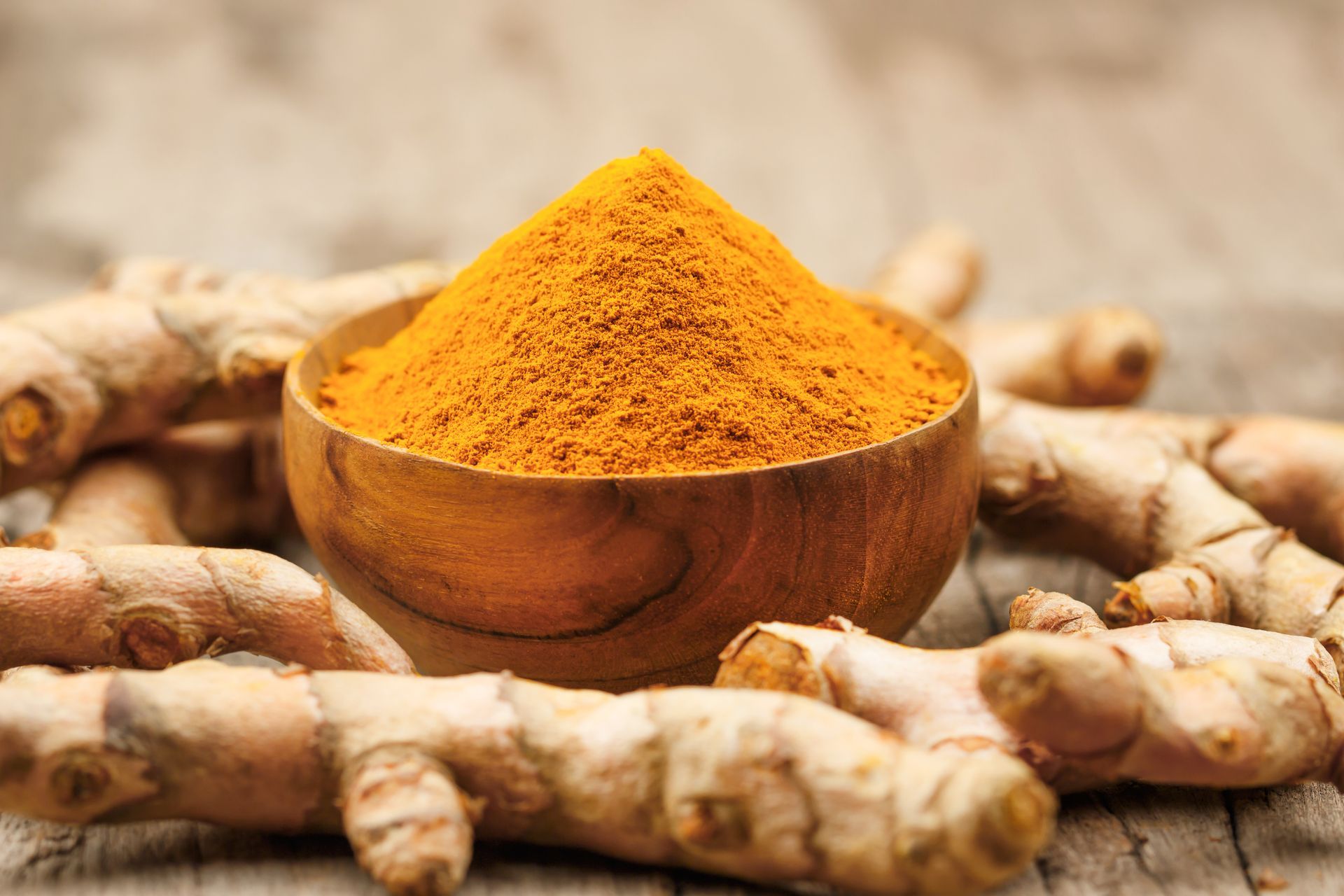
Turmeric
Turmeric (Curcuma longa) is a bright yellow spice commonly used in cooking and traditional medicine, especially in Ayurveda. Its main active compound, curcumin, is responsible for many of its health benefits.
Here are the most researched benefits:
1. Powerful Anti-Inflammatory
- Curcumin helps reduce chronic inflammation
- May benefit people with arthritis, joint pain, and inflammatory conditions
- Some studies show relief comparable to mild anti-inflammatory medications for joint discomfort.
2. Rich in Antioxidants
- Neutralizes free radicals
- Helps protect cells from oxidative stress
- Supports healthy aging
3. Joint & Arthritis Support
- May reduce pain and stiffness
- Often used for osteoarthritis and rheumatoid arthritis support
4. Heart Health Support
- May improve blood vessel function
- Can support healthy cholesterol levels
- Anti-inflammatory effects benefit cardiovascular health
5. Brain Function & Mood
- May increase BDNF (a brain growth hormone)
- Being studied for memory support and mood balance
- Some evidence suggests mild support for depression
6. Blood Sugar & Metabolic Support
- May help regulate blood sugar
- Can support insulin sensitivity
- Often included in metabolic health plans
How to Take It
- Fresh or powdered in food
- Capsules (standardized curcumin extract)
- Golden milk (turmeric + warm milk + black pepper)
Important: Curcumin is poorly absorbed on its own. It’s best taken with:
- Black pepper (contains piperine, which boosts absorption)
- A source of healthy fat
Safety Notes
Avoid or speak to a doctor if you:
- Take blood thinners (turmeric can thin blood)
- Have gallbladder disease
- Are scheduled for surgery
- Large doses may cause stomach upset in some people.
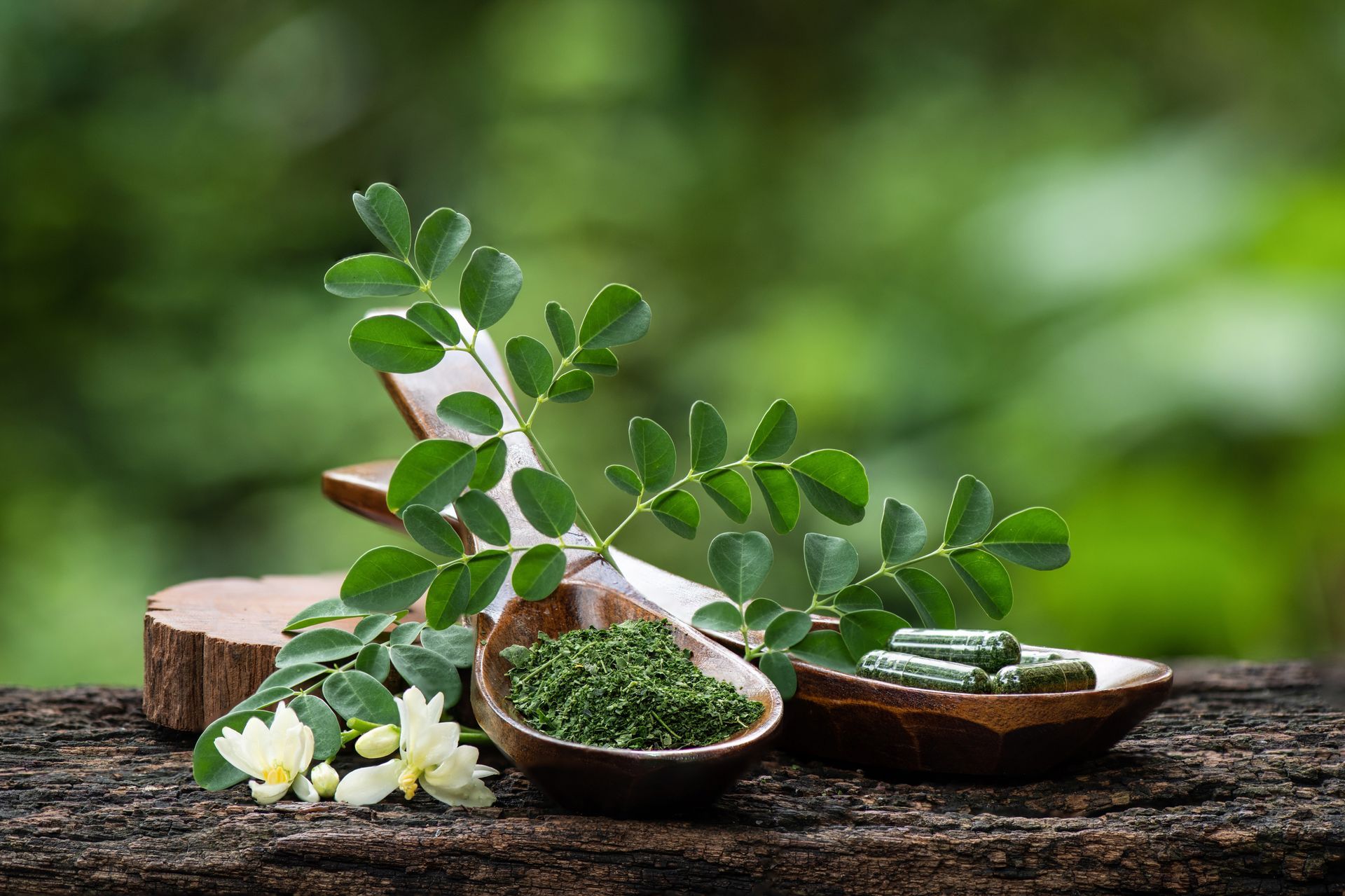
Moringa
Moringa (Moringa oleifera), often called the “drumstick tree” or “miracle tree,” is a nutrient-dense plant used in traditional medicine in parts of India and Africa. Its leaves are the most commonly consumed part and are rich in vitamins, minerals, and antioxidants.
Here are the key potential benefits:
1. Rich in Nutrients
Moringa leaves contain:
- Vitamin A
- Vitamin C
- Calcium
- Potassium
- Iron
- Protein (unusual for a plant leaf)
- This makes it popular for overall nutritional support.
2. Powerful Antioxidant Support
- Contains quercetin and chlorogenic acid
- Helps reduce oxidative stress
- May support healthy aging
3. Anti-Inflammatory Effects
- Natural plant compounds may reduce inflammation
- Sometimes used for joint discomfort
4. Blood Sugar Support
- Some studies suggest it may help lower blood sugar
- May improve insulin sensitivity
- (If you take diabetes medication, monitor levels closely.)
5. Heart Health
- May help lower LDL (“bad”) cholesterol
- Supports healthy blood pressure due to potassium content
6. Brain & Mood Support
- Antioxidant effects may protect brain cells
- Traditionally used to support energy and mental clarity
7. Energy & Vitality
- Often taken to combat fatigue
- Nutrient density may help support natural energy levels
How It’s Taken
- Powder (mixed into smoothies or water)
- Capsules
- Tea
- Fresh leaves (in some cuisines)
Safety Notes
- May lower blood pressure and blood sugar
- Avoid high doses during pregnancy (especially root or bark)
- Can cause mild digestive upset in some people
Bladderwrack
Bladderwrack
(Fucus vesiculosus) is a type of brown seaweed found along the coasts of the Atlantic and Pacific oceans. It has been used for centuries in traditional herbal practices, especially for its rich mineral content—particularly iodine

Here are the main potential health benefits:
1. Supports Thyroid Health
- Naturally rich in iodine, which is essential for thyroid hormone production
- May help support metabolism and energy levels
- Often used for underactive thyroid support
Too much iodine can be harmful, so balance is important.
2. May Boost Metabolism
- By supporting thyroid function, it may help regulate metabolism
- Sometimes used in weight management routines
3. Rich in Antioxidants
- Contains compounds like fucoidan and polyphenols
- May help reduce oxidative stress and inflammation
4. Supports Skin Health
- Traditionally used for skin conditions
- May help hydrate and improve skin elasticity
- Sometimes found in topical skincare products
5. Heart Health Support
- May help support healthy cholesterol levels
- Contains fiber that can aid cardiovascular health
6. Digestive Support
- Natural source of soluble fiber (alginic acid)
- May help support gut health and regularity
7. Mineral-Rich Superfood
Bladderwrack provides:
- Iodine
- Calcium
- Magnesium
- Potassium
- Iron
These minerals support overall wellness and energy.
How It’s Taken
- Capsules or supplements
- Powder (added to smoothies)
- Tea
- Whole dried seaweed
Safety & Precautions
- Avoid excessive intake due to high iodine levels
- Not recommended for people with thyroid disorders without medical guidance
- May interact with thyroid medications or blood thinners
- Avoid during pregnancy unless approved by a doctor